Some links on this site are affiliate links. If you book through one, Tokyo Trailhead earns a commission at no extra cost to you. It never decides what appears here.
Both of these places have temples that have stood for many centuries. Both are about an hour from central Tokyo on an ordinary train. So every guide tells you that both are worth your time, and every guide is right, which leaves you exactly where you started.
Two things praised in the same words cannot be compared.
Here is the difference that actually decides the day, and it has nothing to do with which temples are older or more beautiful.
On Mount Takao you climb 599 metres (1,965 feet) and there is a temple on the way up. In Kamakura you walk on the flat from one temple to the next and go inside them.
That is the whole thing. One is a climb with a temple on it. The other is temples with a walk in the middle. The question is not which is better. The question is whether you want to spend that half day going up.
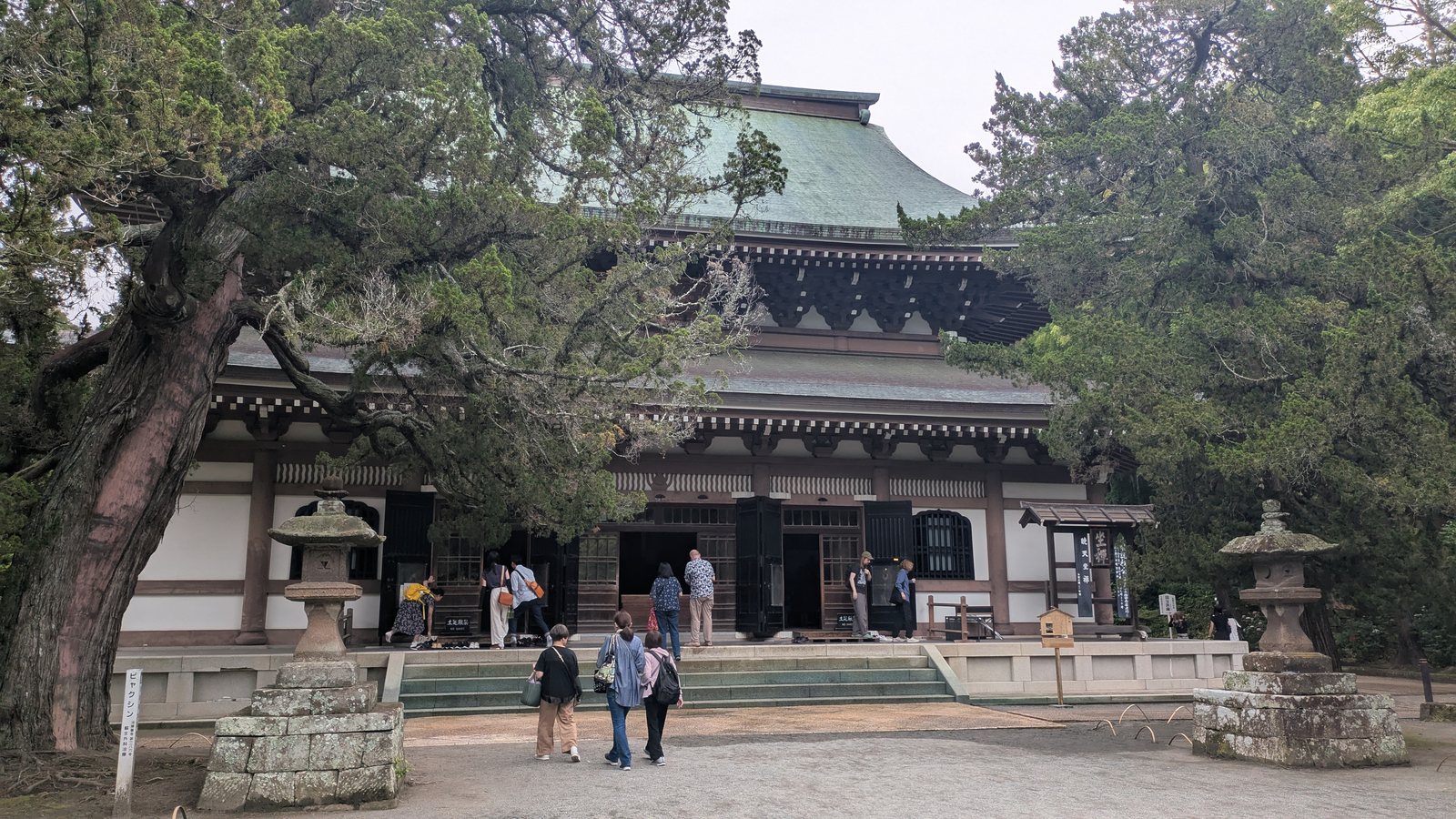
I have walked every main route on Mount Takao. In Kamakura I walked from Kita-Kamakura Station to Kamakura Station on Sunday 8 June 2025, at the peak of the hydrangea season, and the times below come off the photographs I took that morning.
The short answer
| If you… | Go to |
|---|---|
| want to use your legs, or want to climb something | Mount Takao |
| want to be walking before eight to get the quiet | Mount Takao |
| want a summit and a view to go with it | Mount Takao |
| want the day to cost almost nothing once you arrive | Mount Takao |
| do not want a sustained climb, or are with someone who cannot manage one | Kamakura |
| want several temples in one short morning | Kamakura |
| want to spend the day inside buildings and gardens rather than on a trail | Kamakura |
| are here for the hydrangeas in June | Kamakura. Expect company |
Neither column is the losing one. If four things in a column describe your day, that is your answer, and you can go straight to the Mount Takao route guide or read on for what the Kamakura morning actually contains.
Affiliate link. This site earns a commission if you book through it, at no extra cost to you. Photo from our own walk.
1. What you pay, and what you pay it for
Start with money, because the two days are shaped differently before you take a step.
| Mount Takao | Kamakura | |
|---|---|---|
| Train from Shinjuku | Keio Line, about 50 minutes, 430 yen, no change | About 57 minutes, 1,034 yen with an IC card, one change |
| Train from Tokyo Station | Change required | Yokosuka Line straight through, 54 minutes, 902 yen with an IC card |
| To get up | Cable car or chairlift 490 yen one way, and it is optional | Nothing to pay. There is nothing to get up |
| To get in | Nothing. Yakuo-in has no admission fee and no ticket window | 1,800 yen for the four ticketed temples on this route |
| Discount ticket | Takao Mountain Pass, 22 percent off, 1,450 yen from Shinjuku with the cable car return | None for a temple route |
Look at the two middle rows, because that is the whole difference in one place.
On Mount Takao the money you can spend is money to avoid climbing. The cable car exists to take 282 metres (925 feet) off your legs, and if you would rather walk it, the day costs you the train fare and nothing else. The temple at the top charges nothing at all: no gate, no ticket window, you walk in off the trail.
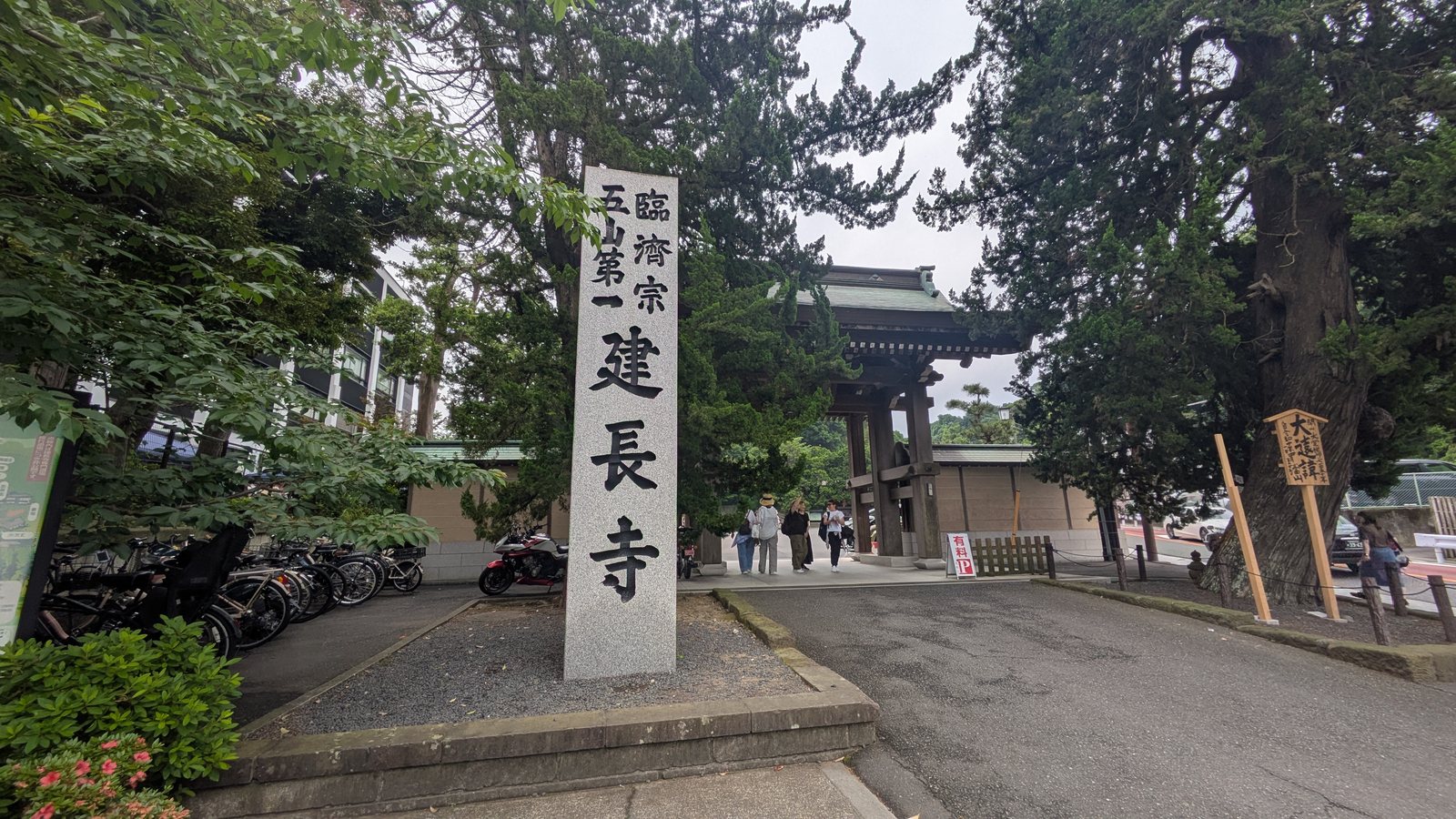
In Kamakura the money is what gets you inside. Walking the streets is free. Going through the gates is not. On the route below that is 500 yen at Engaku-ji, 500 at Meigetsu-in, 300 at Choju-ji and 500 at Kencho-ji (Engaku-ji, Kencho-ji, Kamakura City Tourist Association). Tsurugaoka Hachimangu, at the end, is open from 6:00 to 20:00 all year and you walk into the precinct without a ticket (Tsurugaoka Hachimangu).
That 500 yen at Kencho-ji is also the way onto the ridge behind it, and what it does and does not buy is set out in the guide to the Ten-en trail.
So the same half day costs about 430 yen on one side and about 2,800 yen on the other, and the reason is not that Kamakura is expensive. The reason is that on Takao you are buying your way out of a climb, and in Kamakura you are buying your way into buildings. That is the difference stated in numbers.
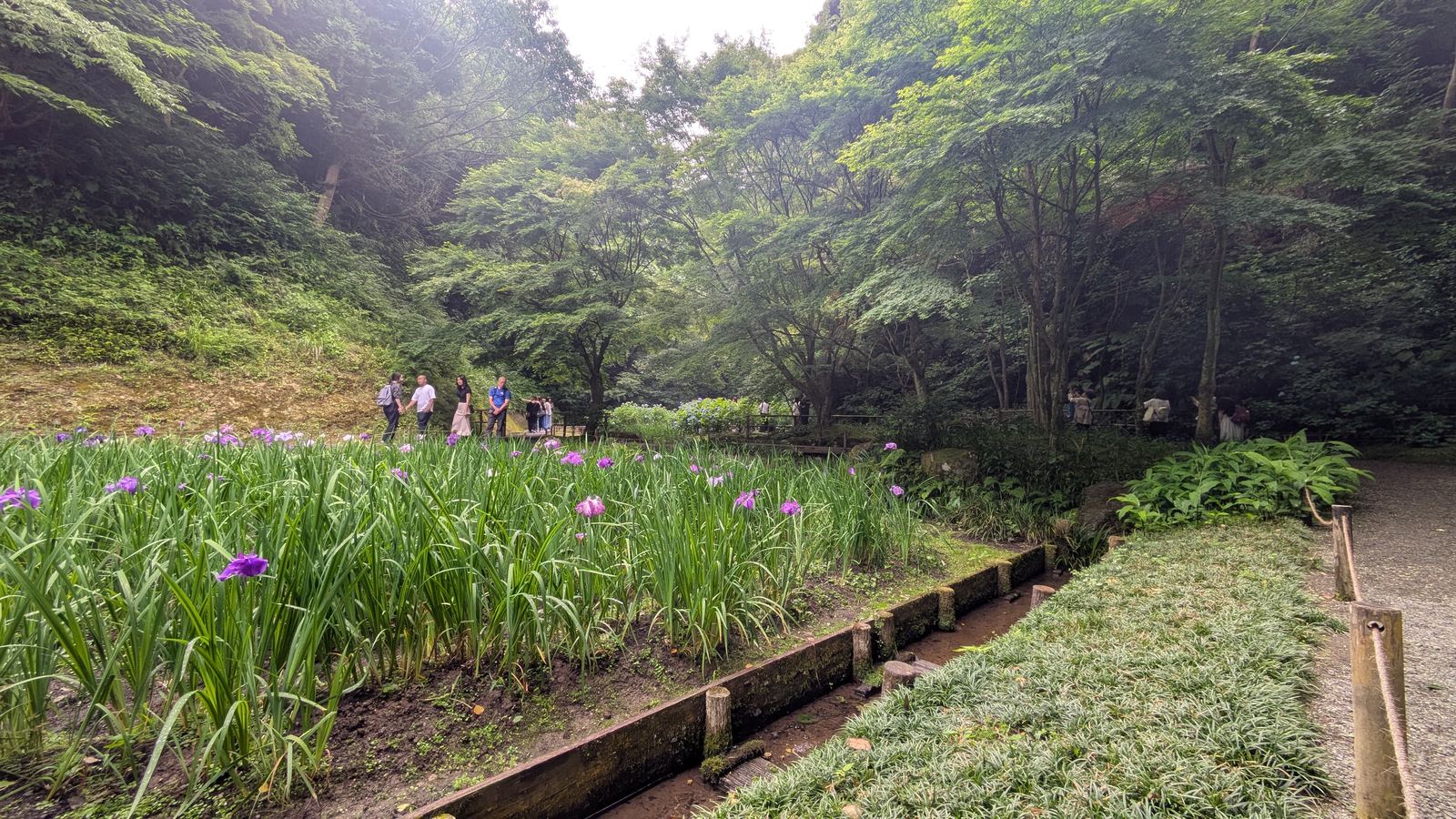
One more line worth knowing before June: Meigetsu-in has a back garden that is closed most of the year and opens for the irises and again for the autumn leaves, at 500 yen on top of the entrance (Kamakura City Tourist Association).
2. What three hours actually contains
Here is the Kamakura morning, taken off the timestamps of the photographs.
| Time | Where |
|---|---|
| 09:49 | Engaku-ji, three minutes from the station |
| 10:21 | Meigetsu-in |
| 10:42 | Still Meigetsu-in |
| 11:10 | Choju-ji |
| 11:26 | Kencho-ji, at the gate |
| 12:09 | Tsurugaoka Hachimangu |
First photograph to last is two hours and twenty minutes. Engaku-ji stands at the exit of Kita-Kamakura Station and Kamakura Station is a ten minute walk on from the shrine, so the whole thing, station to station, ran to about two hours and forty minutes. Five places of worship, four of them ticketed, in a morning.
Now compare that with the same amount of time on Mount Takao. The Inariyama Trail, the gentlest way up on foot, takes 80 to 100 minutes to the summit. Add the way down and you have used your morning on two things: going up and coming down.
The difference is not the length of the day. It is what fills it.
In Kamakura the walking is the connective tissue. Nine minutes from Choju-ji to Kencho-ji. Twenty-two minutes from Engaku-ji to Meigetsu-in, and that gap contains the walk, the queue and the ticket window all together. The parts that take time are the parts where you stop: twenty-one minutes inside Meigetsu-in, ten or more at Engaku-ji.
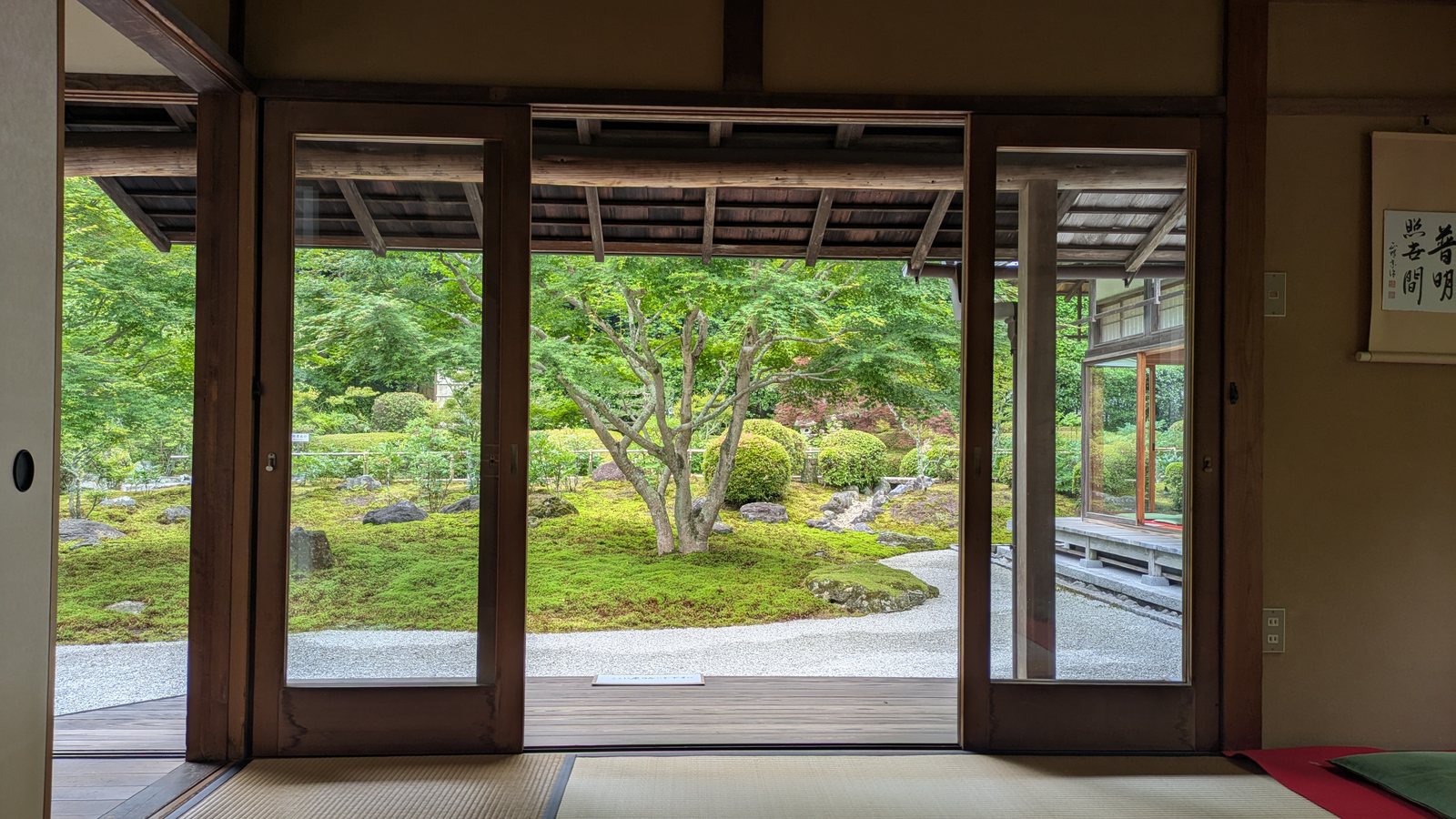
On Mount Takao you are outdoors from the ticket gate to the summit and back. There is a temple, and it is a working one worth slowing down for, but you pass through it. Here you go inside, sit down, and look at a garden through an open door.
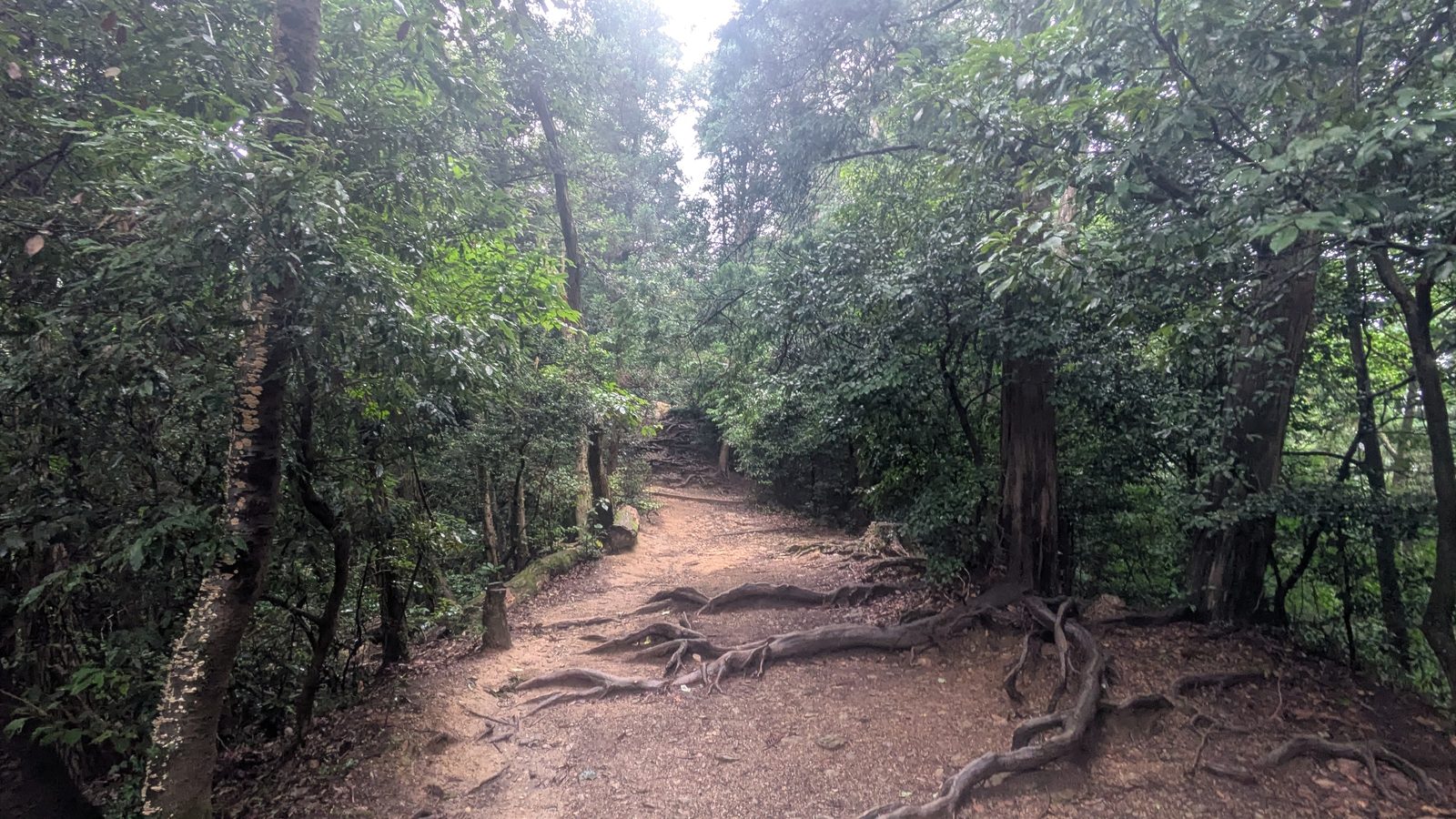
There is one honest correction to make, because the word flat is doing too much work. Kamakura is not flat. There are stone steps inside these temple grounds, some of them substantial.
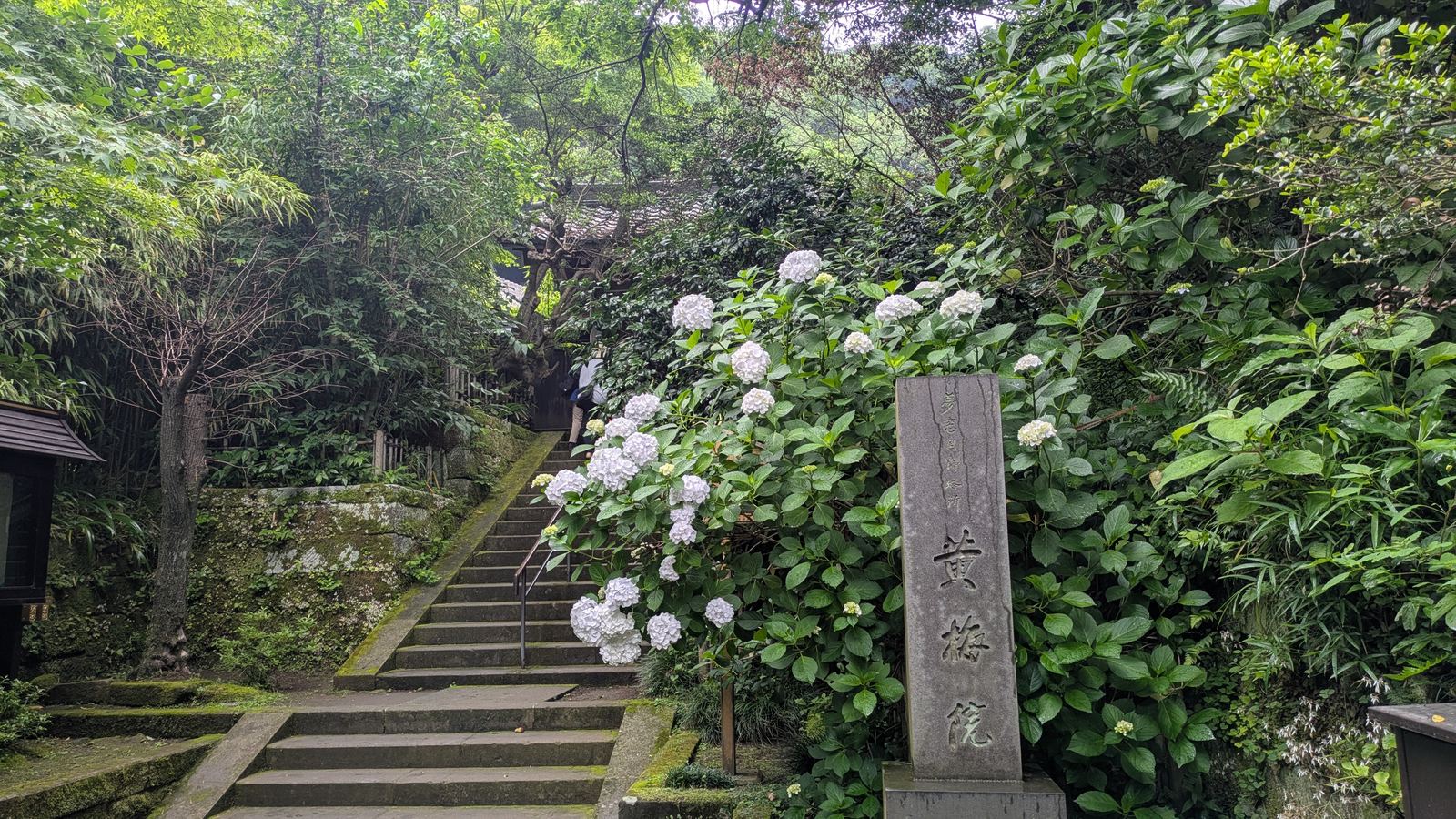
That is the accurate version. Mount Takao climbs 599 metres and does not stop climbing. In Kamakura the ups and downs begin and end inside the grounds of each temple. If the person you are travelling with cannot manage a long ascent, that distinction is the one that matters, and it is not the same as saying the ground is level.
3. Crowds, and the thing that is shut when you get there
The lever that thins the crowd is different on each side, and knowing which lever you are holding is most of the skill.
On Mount Takao the lever is the hour. Starting before eight in the morning is the single most effective thing you can do, on every route, and it works all year.
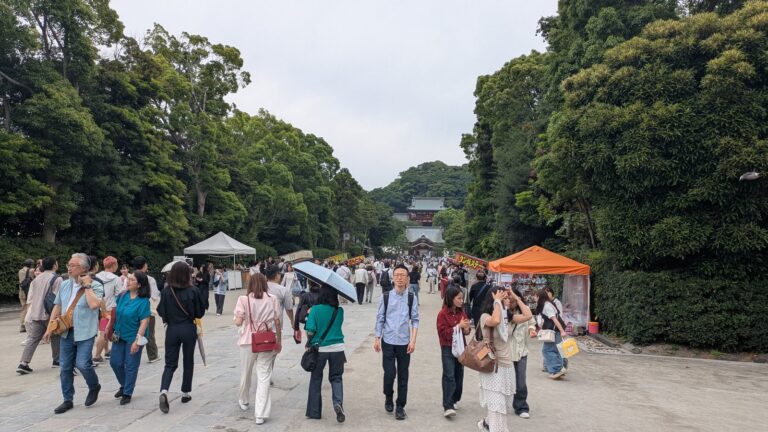
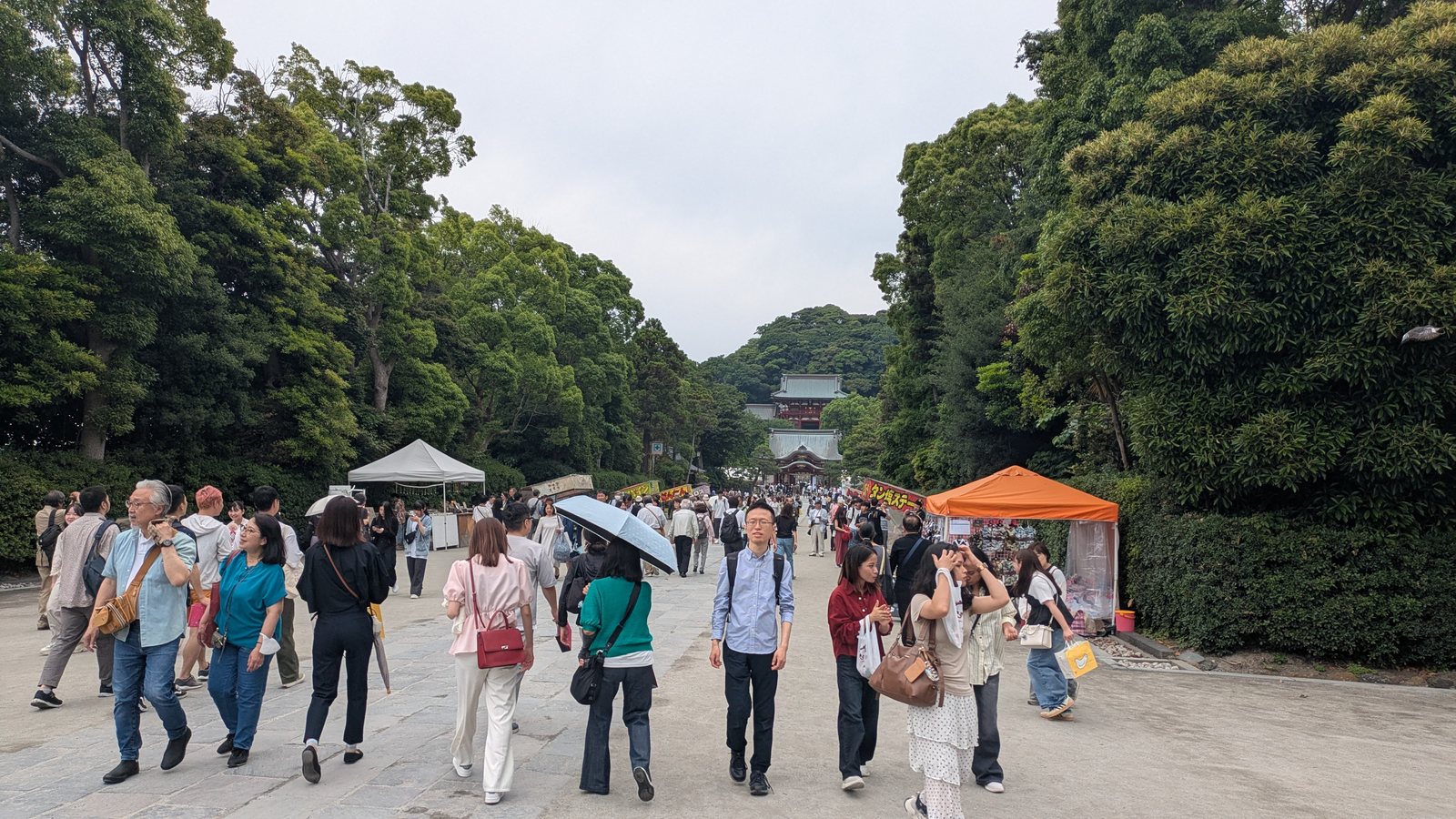
In Kamakura the lever is the season and the day of the week. I have one measurement and it is the worst case: a Sunday, the second week of June, at the peak of the hydrangeas.
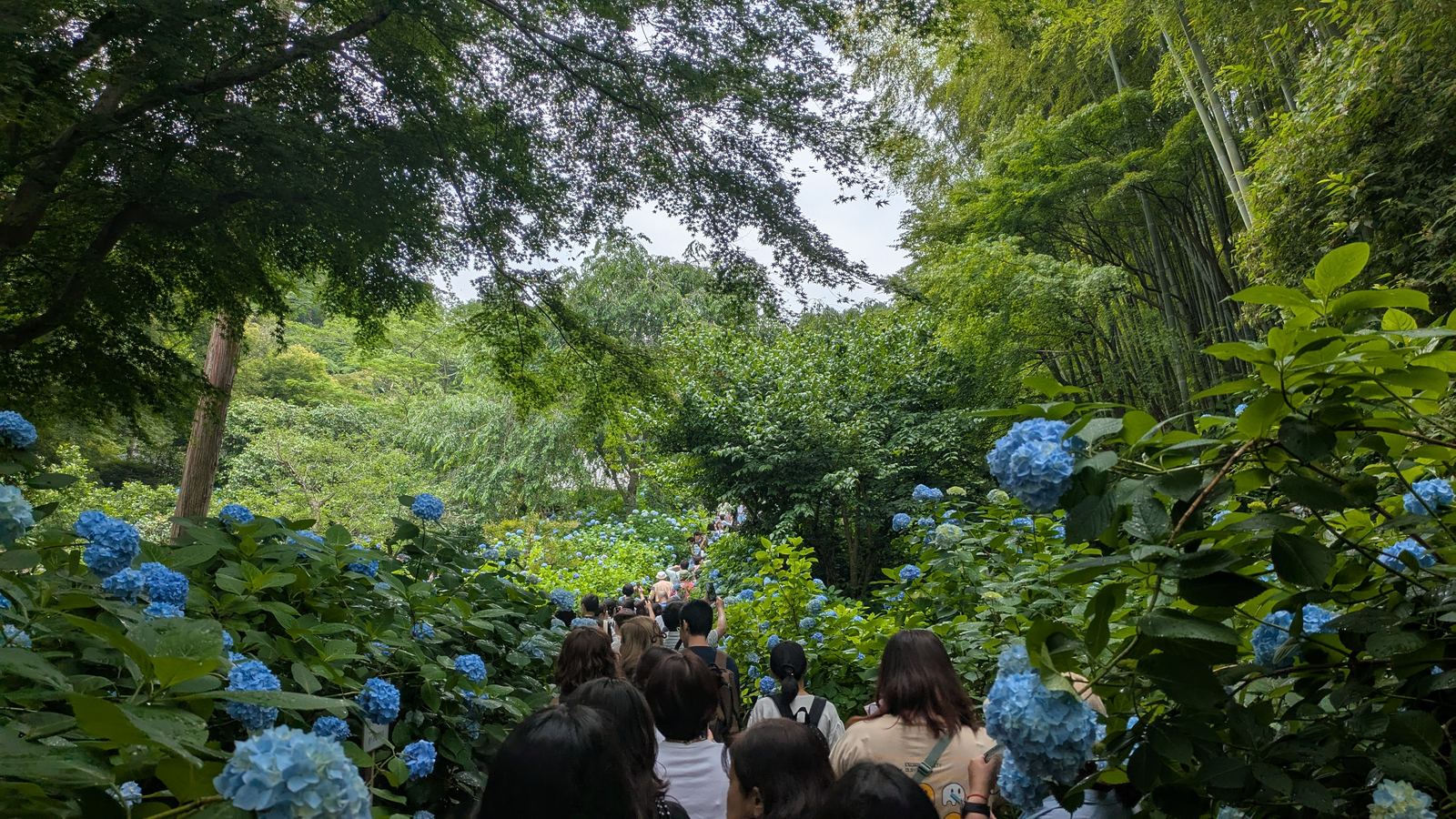
That photograph shows the peak of the season. And here is the useful part: even on that day, the whole route took under three hours. The queue at Meigetsu-in sits inside a twenty-two minute gap that also contains the walk from the previous temple and the ticket window, so I cannot tell you how long the line itself was. What I can tell you is that it did not break the morning.
That is worth stating plainly, because it is the opposite of Mount Takao. On Takao a late start genuinely costs you the day. In Kamakura, on the evidence of one very busy Sunday, the crowd is something you see rather than something that stops you.
The trap nobody writes in English
Now the part that will quietly ruin a plan.
Choju-ji is not open most of the time. It opens by season and by day of the week, and the rule changes from one month to the next: Fridays, Saturdays, Sundays and holidays in April and May; Wednesday to Sunday in June; Fridays, Saturdays, Sundays and holidays from October to 22 November; then daily from 23 November to 7 December. Hours are 10:00 to 15:00, admission is 300 yen, and it is cancelled in rain (Kamakura City Tourist Association).
Read that again and notice that the opening days in June are not the same as the opening days in May. This is exactly the kind of fact that English-language pages leave out, because English gets attached to what a place is rather than to when you can get in.
The other temples are simpler. Engaku-ji opens at 8:30 and closes at 16:30, with a 16:00 close in the winter months. Kencho-ji keeps the same hours. Tsurugaoka Hachimangu is open 6:00 to 20:00 all year. Sources: Engaku-ji, Kencho-ji, Tsurugaoka Hachimangu.
Mount Takao has its own version of this, and it is worth the comparison: the Inariyama Trail was closed for more than eight months in 2025 while hazardous trees were cleared. The Takao Visitor Center posts current conditions. On both sides, the thing that ruins a plan is not the walking. It is arriving at something that is shut.
Questions people actually ask
Can I do both in one day? No. They are on opposite sides of the region and each one fills a day. If you have two days, take them separately and in either order.
How much walking is Kamakura, really? On the route above, station to station with five stops, about two hours and forty minutes in total. Very little of that is walking. The longest single stretch on foot was under half an hour.
Which one works in rain? Kamakura. The walking is short and most of the time is spent under a roof. Mount Takao also works in rain if you take the paved Trail 1, but the trails worth going for are the ones under the trees, and those are the ones you would be giving up.
I am with older parents. Which one? Kamakura, with one caveat. There are stone steps inside the temple grounds and some of them are long. What Kamakura does not have is a climb that keeps going. On Mount Takao the alternative is the cable car, which removes the hard part but still leaves 45 minutes of paved walking to the summit.
When are the hydrangeas? Mid-June is the usual peak, and the temple most people are heading for is Meigetsu-in. Check the current bloom before you commit a day to it, and know that a very popular temple in June is a very popular temple.
Is Kamakura worth it if I have already seen Kyoto? Different question, honest answer: the temples here are fewer and closer together, and the whole thing fits in a morning. If what you want is more temples, Kyoto has more. If what you want is a half day out of Tokyo that ends at a station, this is that.
Do I need to book anything? No, for either. Buy the train ticket on the day and pay at each gate.
Is there a cheaper way to do Kamakura? Walking the streets and the shrine precinct costs nothing. The 1,800 yen figure is what four temple gates cost. Skipping two of them is a perfectly good day.
If the answer is Mount Takao and you would rather go with a guide, one small-group guided day on Mount Takao covers the temple, the summit, a ramen or soba lunch and a hot spring at the end.
Affiliate link · Small group of up to 7 · About 8 hours · Free cancellation up to 24 hours before
If you are doing both
Do them on different days and in either order. Unlike the two mountains on this site, these two do not teach each other anything: one is a climb and one is a town, and neither prepares you for the other.
If you have exactly one free day and no strong preference, take the weather. Kamakura works in rain, because the walking is short and most of the time is spent indoors. So does Mount Takao if you take the paved Trail 1, but the trail that makes Takao worth the trip is the one under the trees, and that is the one you would be giving up.
One more thing about June, since that is when I walked Kamakura. Both places have hydrangeas.
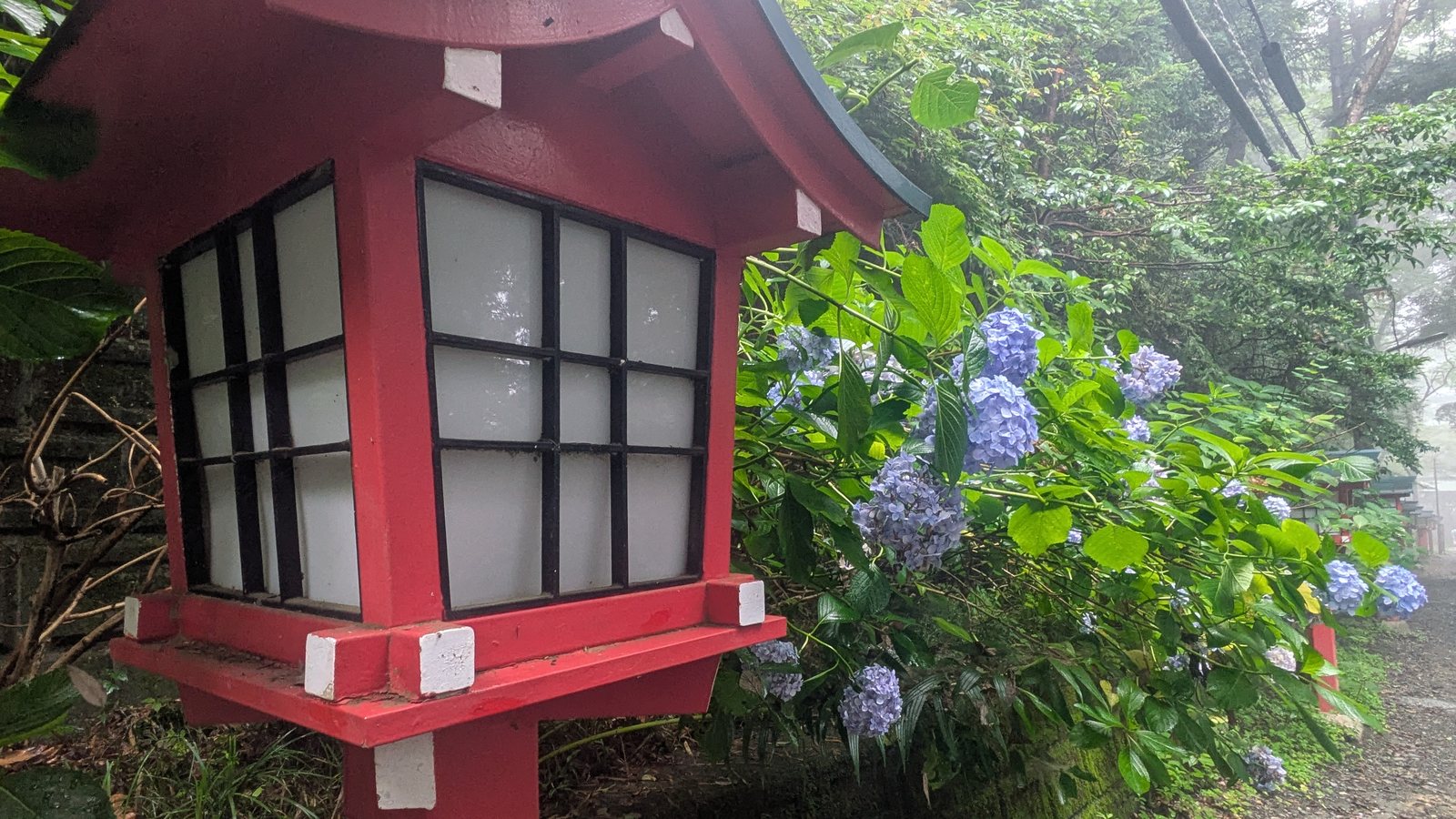
The flowers are the same. The day around them is not. In Kamakura the hydrangeas are the reason two thousand people came, and you see them over shoulders. On Mount Takao they are beside the path, and no one has come for them at all.
If Kamakura is the one you pick, the walking on that side has three guides of its own.
- Which end you start from decides what you pay — the two trails side by side, and the four ways in.
- The Daibutsu trail, and why it costs nothing — the entrance is a flight of steps outside the gate of Jochi-ji.
- What the 500 yen at Kencho-ji actually buys — the price is printed in English. The sentence saying walkers passing through also pay it is not.
What this comes down to
Two places, both old, both an hour out, both full of temples. Every guide is right that both are worth doing, and that is precisely why the recommendation is useless on its own.
So use the only question that has an answer. Do you want to climb today?
If yes, it is Mount Takao, and the next thing to read is which trail to take, because that choice makes or breaks the day. After that: the cable car or the chairlift, Trail 1, Trail 6, the Inariyama Trail, the temple and the hot spring at the station.
If no, it is Kamakura, and the route above is a good one: out of Kita-Kamakura Station, four temples on the way, and Kamakura Station at the end.
And if the honest answer is that you want a mountain but not that much of one, there is a third option this site has measured end to end: Mount Takao or Mount Mitake, where a cable car does the climbing and you decide the rest after you arrive.
There is a third comparison in this series, where the difference is not the walking but the deadline: Mount Takao or Mount Fuji.
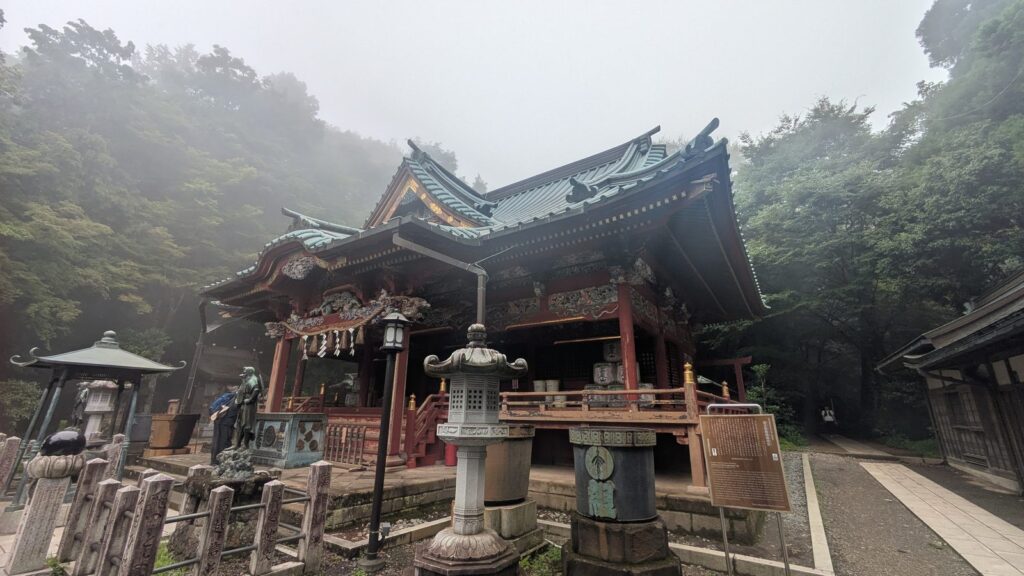
Affiliate link. This site earns a commission if you book through it, at no extra cost to you. Photo from our own walk.